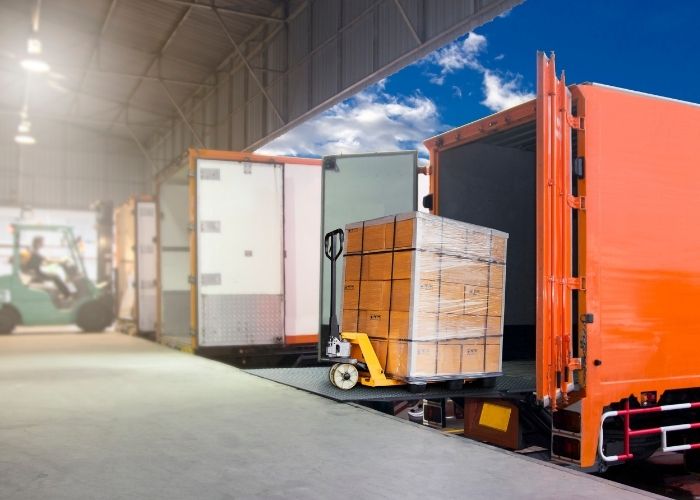
If you’ve been anywhere near a warehouse, refinery dock, or job site lately, you’ve probably felt the shift. Logistics is changing fast. The old “call a guy who knows a guy” model is fading out, and smart logistics is stepping in. Not as hype. Not as corporate jargon. But as real, boots-on-the-ground tools that make life easier for the people running the show.
Here’s a look at where delivery services are heading, and how Gophr is building a future that actually works in the field, not just on a whiteboard.
Predictions for the Future of Delivery Services
The next five years in logistics won’t be defined by bigger trucks or faster drivers, it’ll be defined by smarter systems.
You’ll see more of:
- Real-time intelligence. Not just tracking a truck on a map, but knowing exactly what’s happening at each step. Think machine-learning predictions that flag risks before they become delays.
- Fully integrated networks. Delivery data tied directly to operations systems, inventory platforms, and field workflows—no more digging through emails or paperwork.
- Flexible, on-demand capacity. Teams won’t wait hours for freight windows or chase down multiple vendors. They’ll tap into a delivery network the same way you call a ride: instantly, reliably, with full visibility.
The future is simple: fewer questions, fewer surprises, more control.
How Tech Will Shape the Logistics Industry
Tech is moving logistics from reactive to proactive. Instead of “What happened?” teams will start asking, “What’s about to happen, and how do we get ahead of it?”
Here’s where the industry is clearly headed:
- AI-driven dispatch
Dispatchers will shift from fighting fires to orchestrating smarter, cleaner workflows. AI will handle load matching, quoting, timing, and routing, without the human error or guesswork.
- Dynamic route optimization
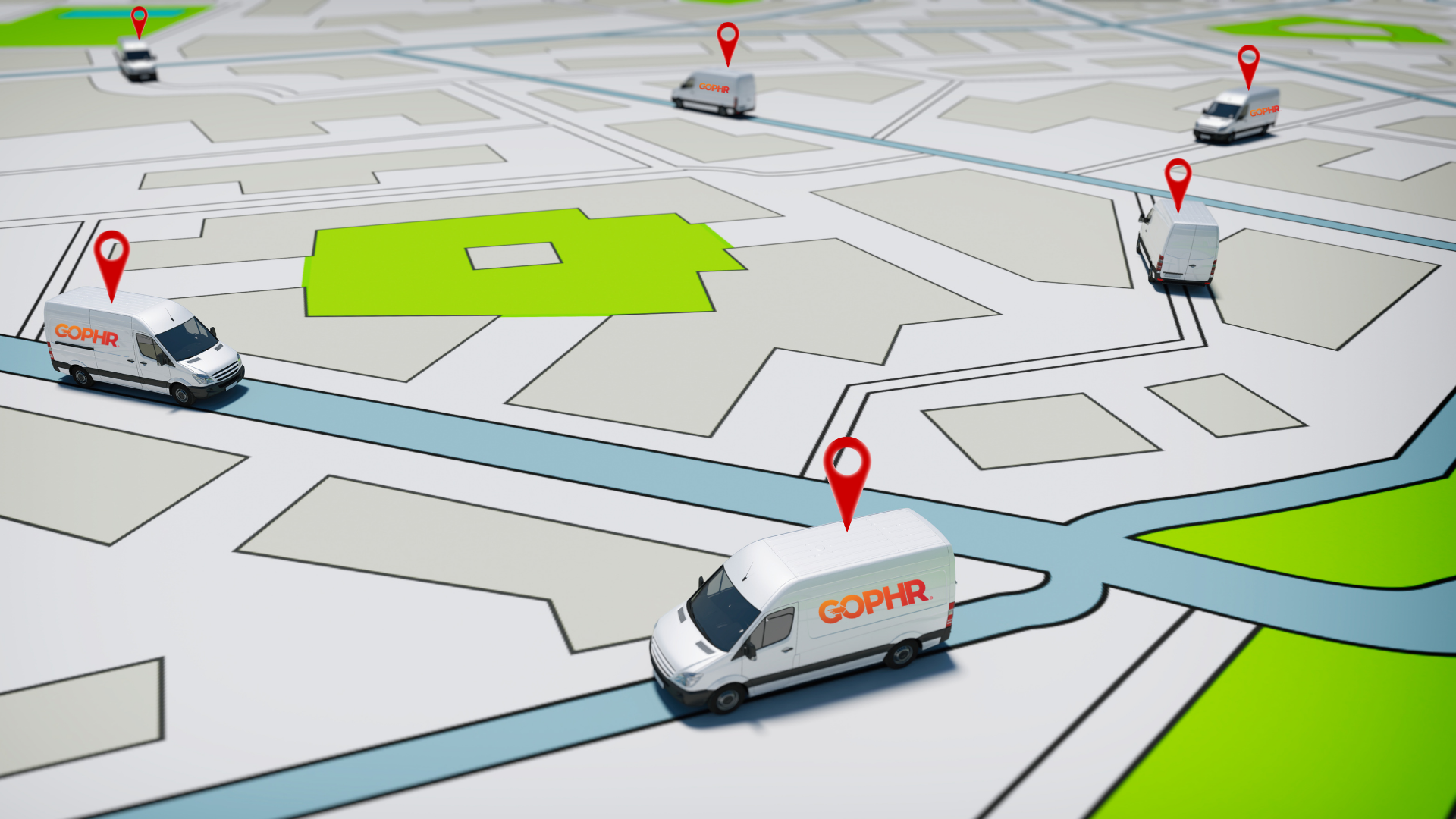
Routing won’t be about picking the shortest line on a map. It’ll factor in traffic, job-site hours, equipment needs, and facility constraints automatically, something Gophr already does with driver routing optimization.
- Predictive capacity
Systems will know when peak demand is coming and adjust your available fleet before you ask. No more scrambling for trucks at the last minute.
- Automated compliance
Permits, certifications, insurance, specialized equipment—the industry will rely on platforms that keep all of this current and verifiable automatically.
In plain terms: smarter tech, fewer headaches.
Emerging Trends in Smart Logistics
A few trends are going to shape the next decade—and they’re all about clarity, speed, and simplicity.
- Hyper-local delivery networks. Businesses will rely less on massive national carriers and more on specialized regional networks (like Gophr’s) that can respond fast and adapt even faster.
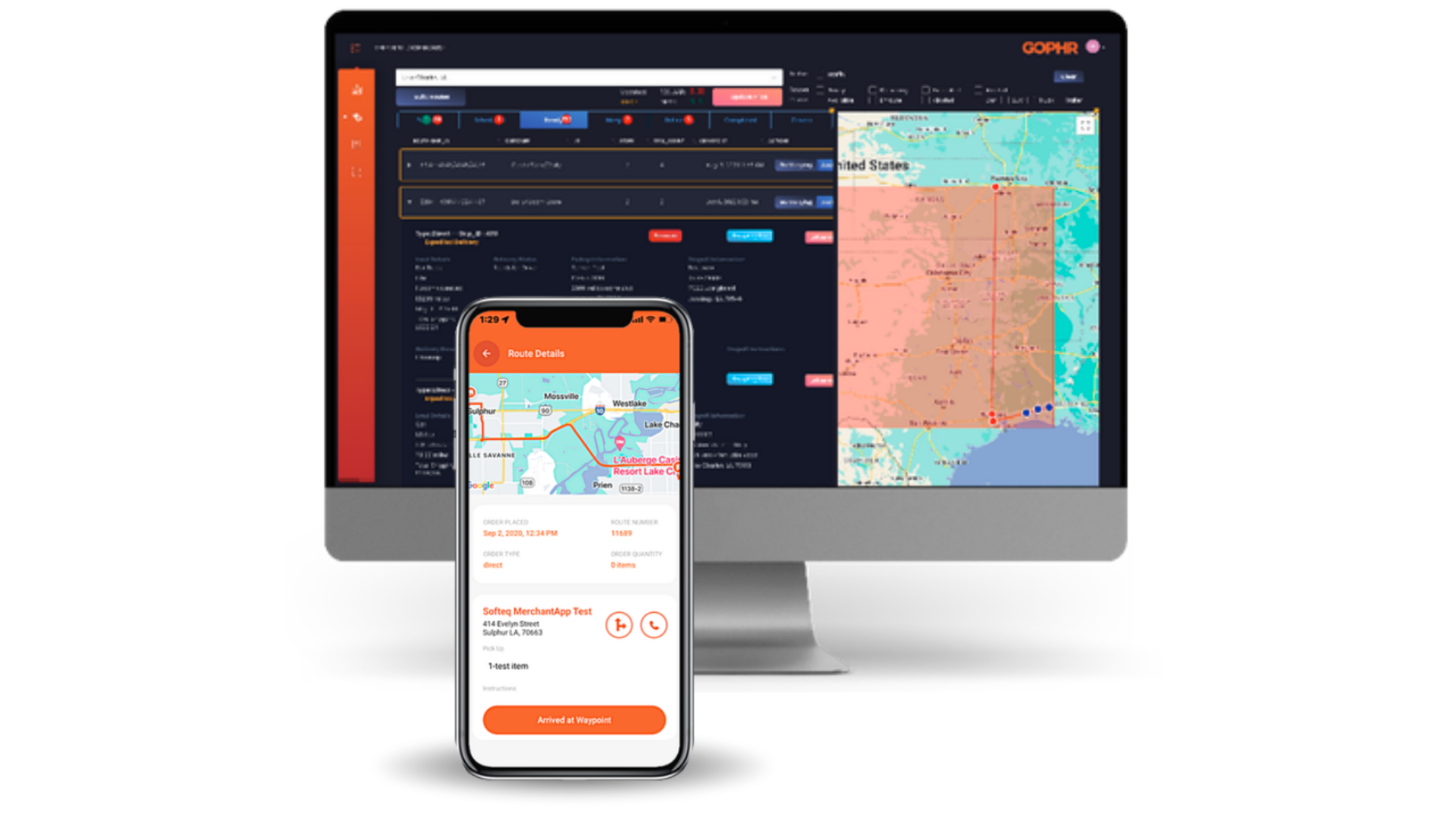
- Unified dashboards. One screen. All shipments. All data. All problems flagged automatically.
- Touchless workflows. Digital BOLs, automated invoices, photo PODs, reduced paperwork—because old-school documentation slows everything down.
- Multi-modal flexibility. Courier → hotshot → LTL → FTL on a single platform. No more switching providers or juggling call lists.
These aren’t pipe dreams. They’re already happening and accelerating.
Gophr’s Vision for the Future of Smart Logistics
At Gophr, the future isn’t theoretical. It’s tactical.
The mission is simple: build logistics tech that actually works for real industrial teams.
That means:
- AI that removes confusion, not adds to it. No smoke and mirrors. Just better decisions, faster.
- Vetted, professional drivers—not whoever’s available. Reliability is a feature, not a gamble.
- Total transparency. Real-time tracking, instant communication, photo PODs—because nobody has time for ghosting, guessing, or excuses.
- A platform that runs the entire delivery ecosystem. Couriers, hotshots, LTL, FTL—one network, one dashboard, one team that takes ownership.
The future of smart logistics is not about replacing people. It’s about giving the folks running the plant, job site, or warehouse the tools to win their day without chaos.
The Next Big Thing in Delivery Technology
The next major breakthrough will be self-optimizing logistics systems: platforms that run themselves based on your rules, your needs, and your goals.
Imagine this:
- You create a delivery.
- The system assigns the right vehicle, right driver, right route.
- It predicts obstacles.
- It updates your team automatically.
- It closes the loop without you chasing anyone down.
That’s where the industry is going, and exactly where Gophr is steering.
Final Takeaway
Smart logistics isn’t about being flashy or futuristic. It’s about building a delivery system that eliminates chaos, cuts downtime, and gives you the control you’ve always needed but rarely had.
If you’re planning for the future, start here:
- Look for full transparency.
- Demand real-time intelligence.
- Choose partners who own the mission, not just the load.
That’s the future. And Gophr’s already driving it.