Understanding Last-Mile Delivery Challenges
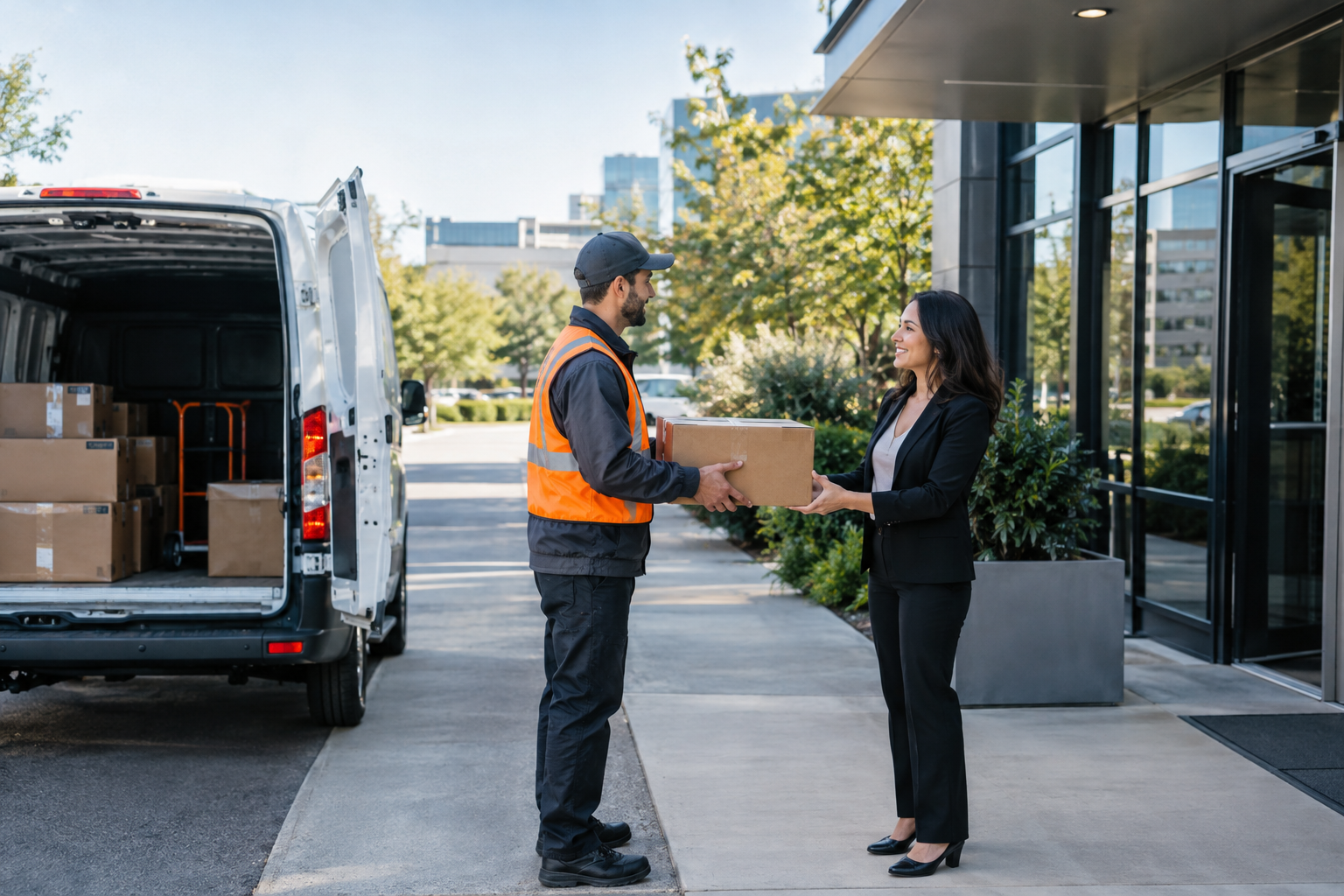
Last-mile delivery is often the most complex and costly part of the shipping process. As businesses strive to meet customer expectations, the final leg of delivery can make or break the overall experience. Common challenges include traffic congestion, narrow delivery windows, and high costs. For businesses, optimizing this stage is crucial to maintain customer satisfaction and manage operational costs.
Choosing the Right Delivery Partner
One of the first steps in improving last-mile delivery is selecting a reliable delivery partner. When evaluating potential partners, consider their geographic coverage, fleet variety, and technology integration. Small local businesses might benefit from a partner with a strong regional presence, while larger businesses might need a partner with national reach.
Technology plays a critical role in this choice. Look for partners offering features like real-time tracking, AI-powered quoting, and digital proof of delivery. These tools enhance visibility and communication, leading to more efficient operations. Platforms like Gophr provide instant quotes and vetted driver networks, which can streamline decision-making and improve reliability.
Implementing Technology for Efficiency
Incorporating technology into your delivery process can significantly enhance efficiency. Real-time tracking systems allow businesses and customers to monitor deliveries, reducing uncertainty and improving communication. AI-assisted dispatch systems, like those offered by Gophr, match deliveries with the most suitable vehicle and driver, optimizing both cost and time.
Digital tools such as reusable shipment drafts and dynamic pricing models can help manage varying delivery volumes and costs effectively. These innovations not only save time but also provide flexibility in handling peak delivery periods without compromising service quality.
Streamlining Delivery Operations
Streamlining your delivery operations involves evaluating and optimizing every step of the process. Begin by analyzing your current logistics to identify bottlenecks. Look for patterns in delivery delays or customer complaints to pinpoint areas for improvement.
Consider implementing scheduled deliveries to better manage resources and balance workloads. This approach can reduce last-minute rushes and help in planning routes more effectively. Geofenced arrival verification, another feature from platforms like Gophr, can ensure timely deliveries by alerting drivers as they approach their destination.
Enhancing Customer Communication
Communication is key in managing customer expectations and improving their delivery experience. Offer customers real-time updates about their shipment status and anticipated delivery times. Use technologies that allow direct communication with drivers, like in-app messaging, to resolve issues promptly.
Businesses should also consider providing digital bills of lading (BOL) and proof of delivery. This not only enhances transparency but also speeds up the delivery documentation process, ensuring that all parties have access to the necessary records.
Evaluating Cost vs. Service Trade-offs
Balancing cost with service quality is a critical consideration. While cutting costs is important, it should not compromise service reliability. Dynamic volume-based pricing models can help manage costs without sacrificing delivery speed or quality.
Businesses need to weigh the benefits of faster delivery against additional expenses. Sometimes, offering customers scheduled delivery options where they can choose their preferred delivery slots can lead to cost savings and increased satisfaction.
Conclusion: Taking Action
Improving last-mile delivery is an ongoing process that requires a mix of the right partners, technology, and operational adjustments. By focusing on these factors, businesses can enhance their delivery efficiency and customer satisfaction. Platforms like Gophr offer valuable tools such as AI-powered quoting and real-time tracking to simplify these challenges. For more insights or to start optimizing your delivery operations, visit Gophr.
Frequently asked questions
What is last-mile delivery?
Last-mile delivery refers to the final step of the delivery process where the product reaches the end customer. It's a critical part of logistics that directly affects customer satisfaction.
How can technology improve last-mile delivery?
Technology can enhance last-mile delivery through real-time tracking, AI-assisted dispatch, and digital proof of delivery. These tools increase efficiency and customer communication.
What should I consider when choosing a delivery partner?
Consider factors like geographic coverage, fleet variety, technology integration, and reliability. A good partner should offer real-time tracking and AI-powered features.
Why is communication important in last-mile delivery?
Effective communication reduces uncertainty, improves customer satisfaction, and allows for quick resolution of delivery issues. Technologies like in-app messaging are beneficial.
How can I balance cost and service in last-mile delivery?
Use dynamic pricing models and offer scheduled deliveries to manage costs while maintaining service quality. Analyze trade-offs to ensure efficient operations.
Need it moved? Get a real-time Gophr freight quote in under a minute. Get an instant quote.